Read a codebase
Follow functions, modules and configuration without needing every implementation detail.
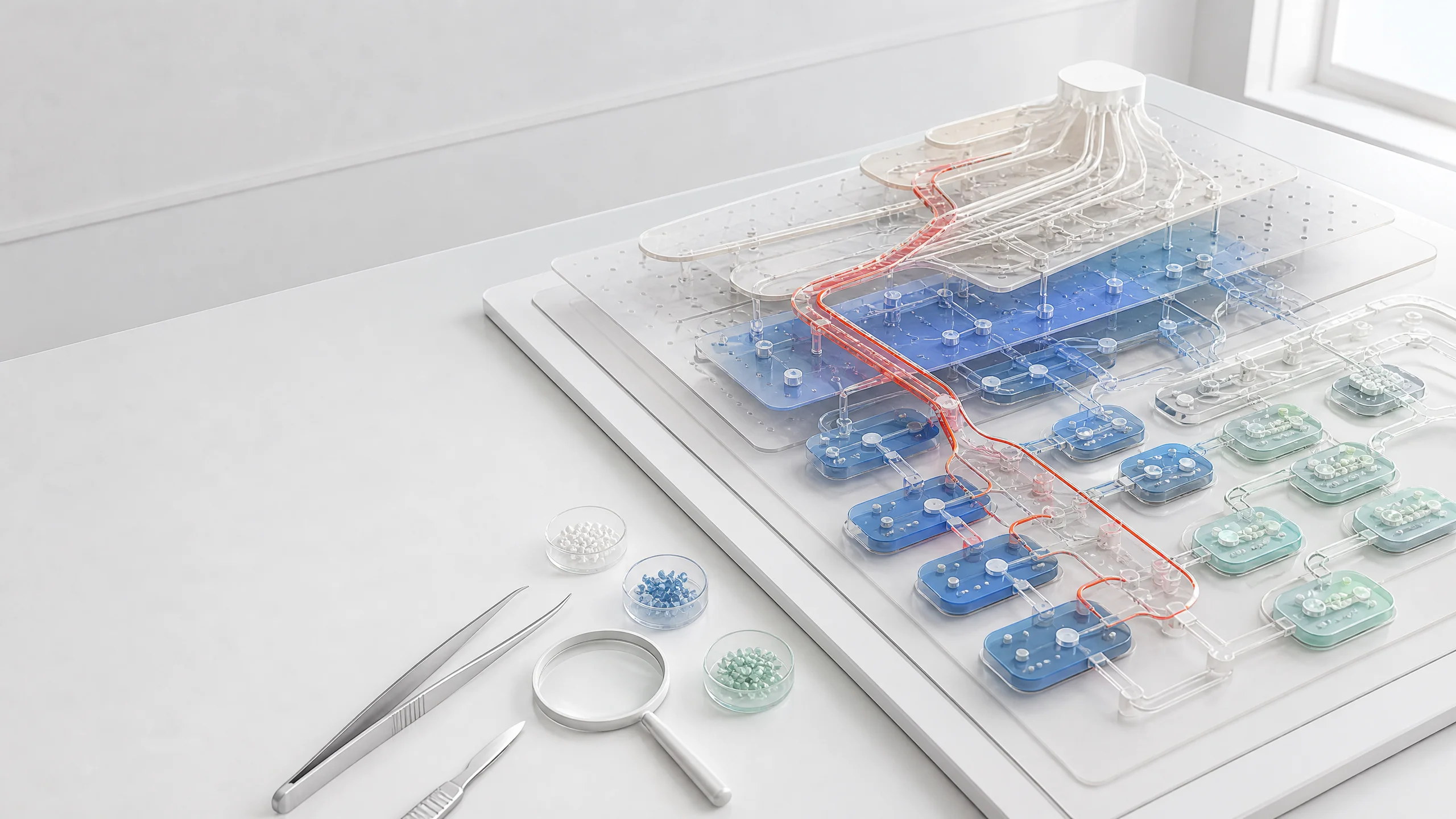
A supervised systems laboratory
Learn to reason about distributed software through physical models, guided diagnosis and repeatable lab notes. Every module ends with evidence you can explain—not a memorised answer.
The diagnostic suggests a starting module. It does not grade you or promise an outcome.
Begin with one stable request path and learn how to label observations before naming a cause.
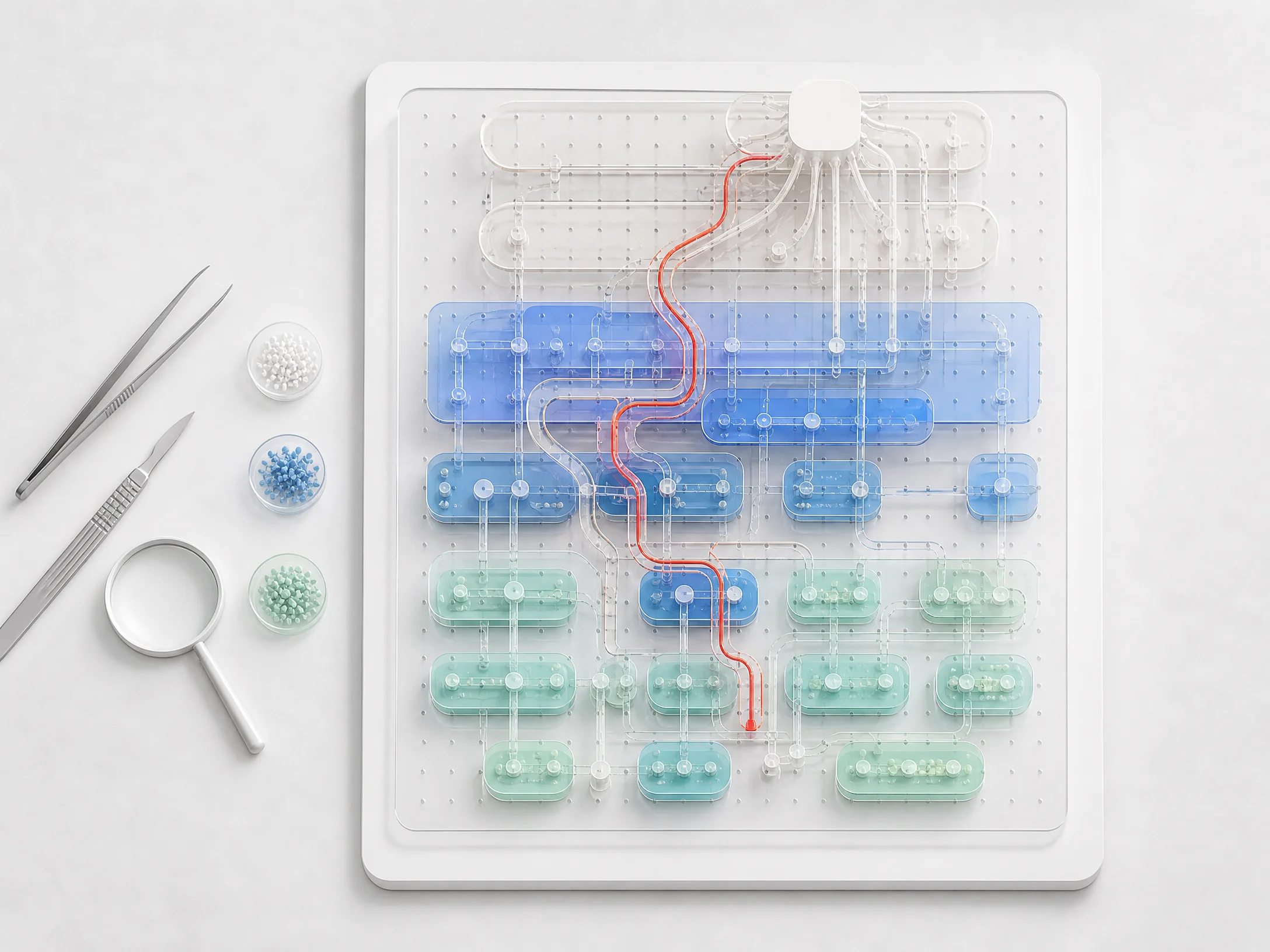
Wumiselaro is for developers who can read code, use version control and explain a request at a high level. You do not need prior architecture certification.
Follow functions, modules and configuration without needing every implementation detail.
Name where input enters, where state changes and where a response leaves.
Record assumptions, observations and decisions in a short engineering note.
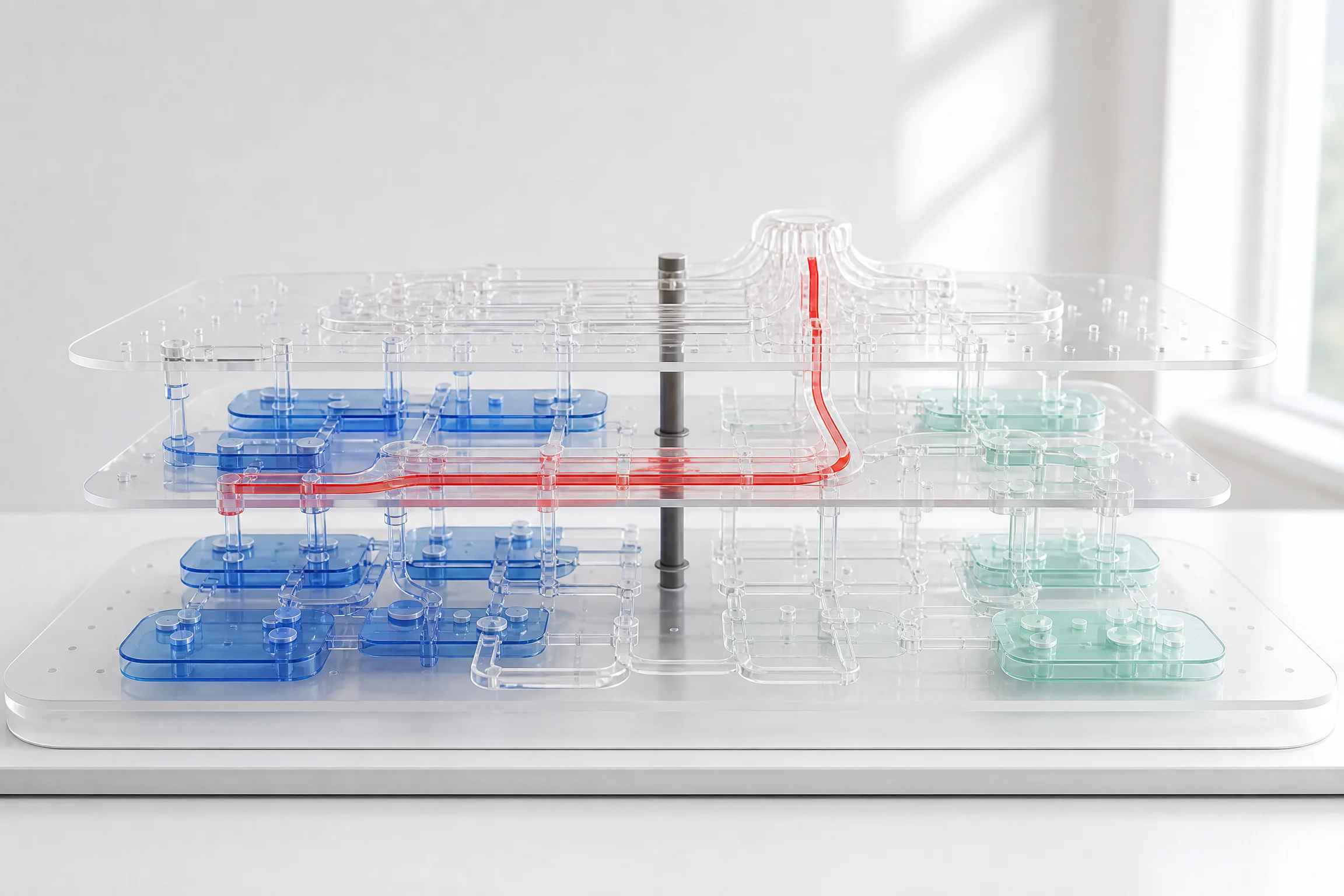
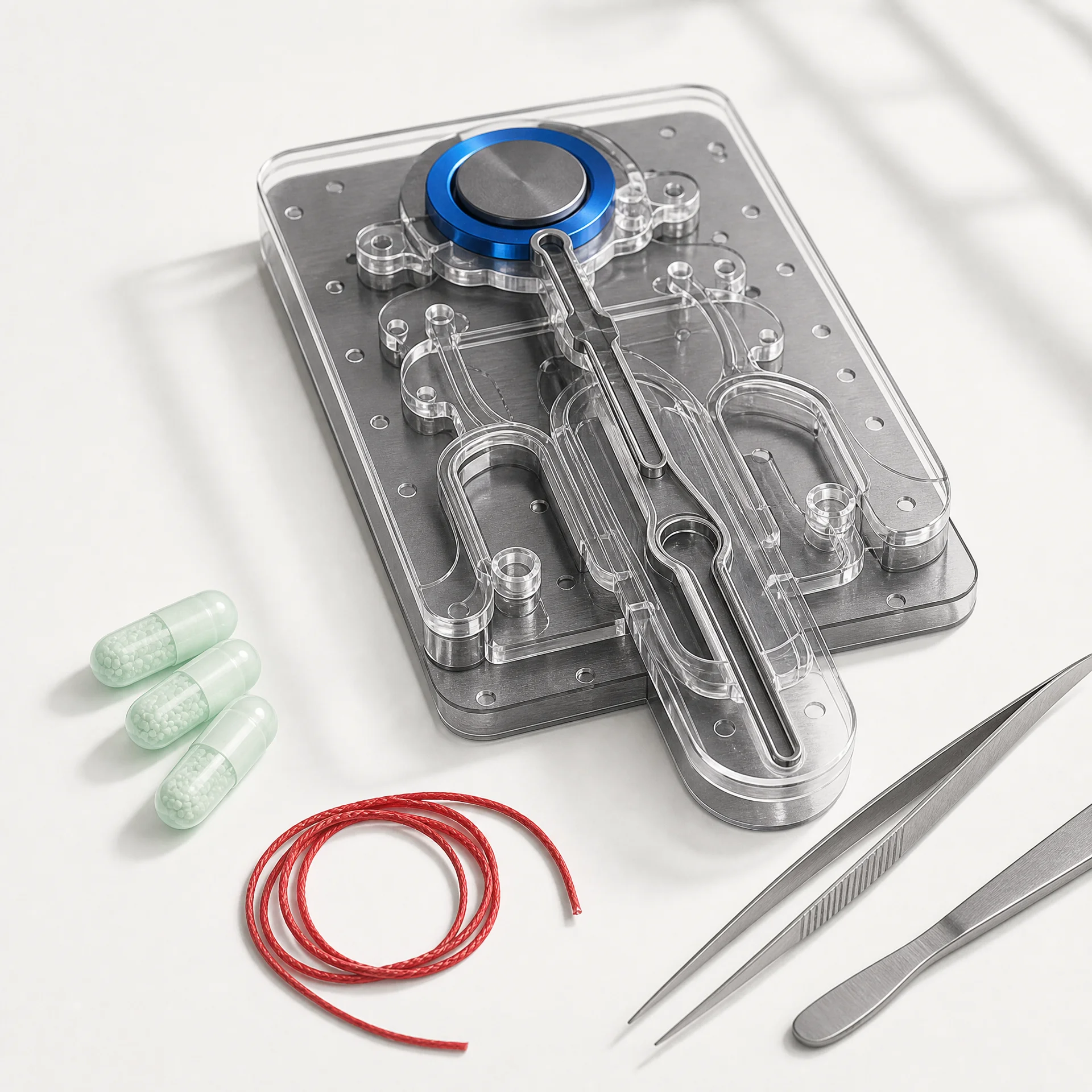
Inspect validation, state transitions and the contract sent downstream. A polished screen cannot prove that the service path is healthy.
Each module combines a short briefing, a guided lab, an individual note and a review conversation. The sequence is fixed; the specimen difficulty adapts to your cohort.
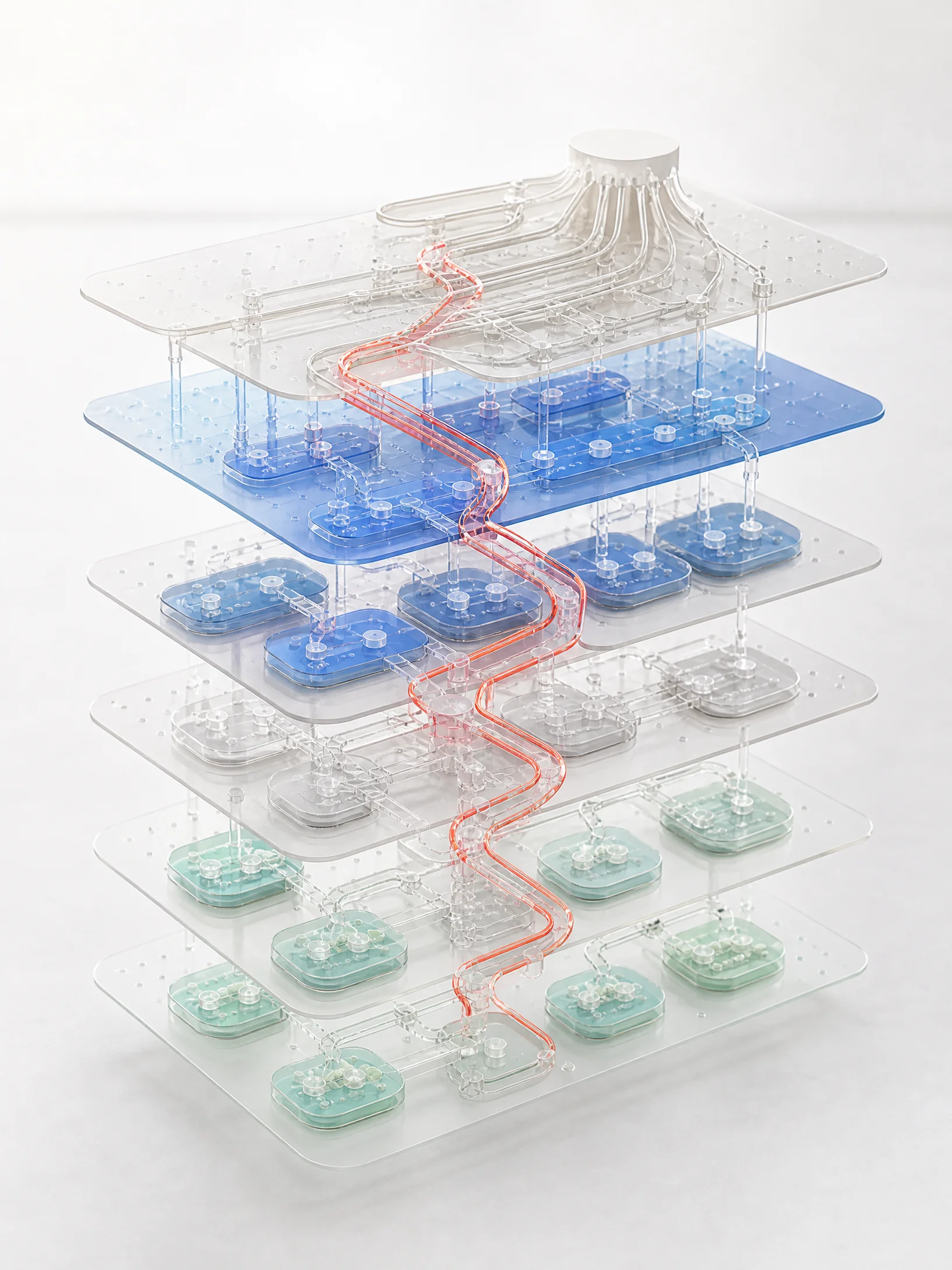
Map components, users and external dependencies. Separate what you observed from what you inferred.
Compare intended ownership with actual data movement. Locate coupling that hides behind convenient interfaces.
Read synchronous and asynchronous paths. Identify retries, queues, timeouts and hidden failure ownership.
Inspect consistency, ownership and recovery. Explain why storage behaviour changes the user-facing outcome.
Design a reversible change and decide what should be measured before, during and after release.
Present a recommendation, its limits and the evidence that would change your mind. Reviewers test reasoning, not confidence.
Select an exercise to reveal the briefing. All three specimens remain visible so you can compare scope before choosing.
Map which team owns each contract, queue and data store. Then identify one dependency that creates operational ambiguity.
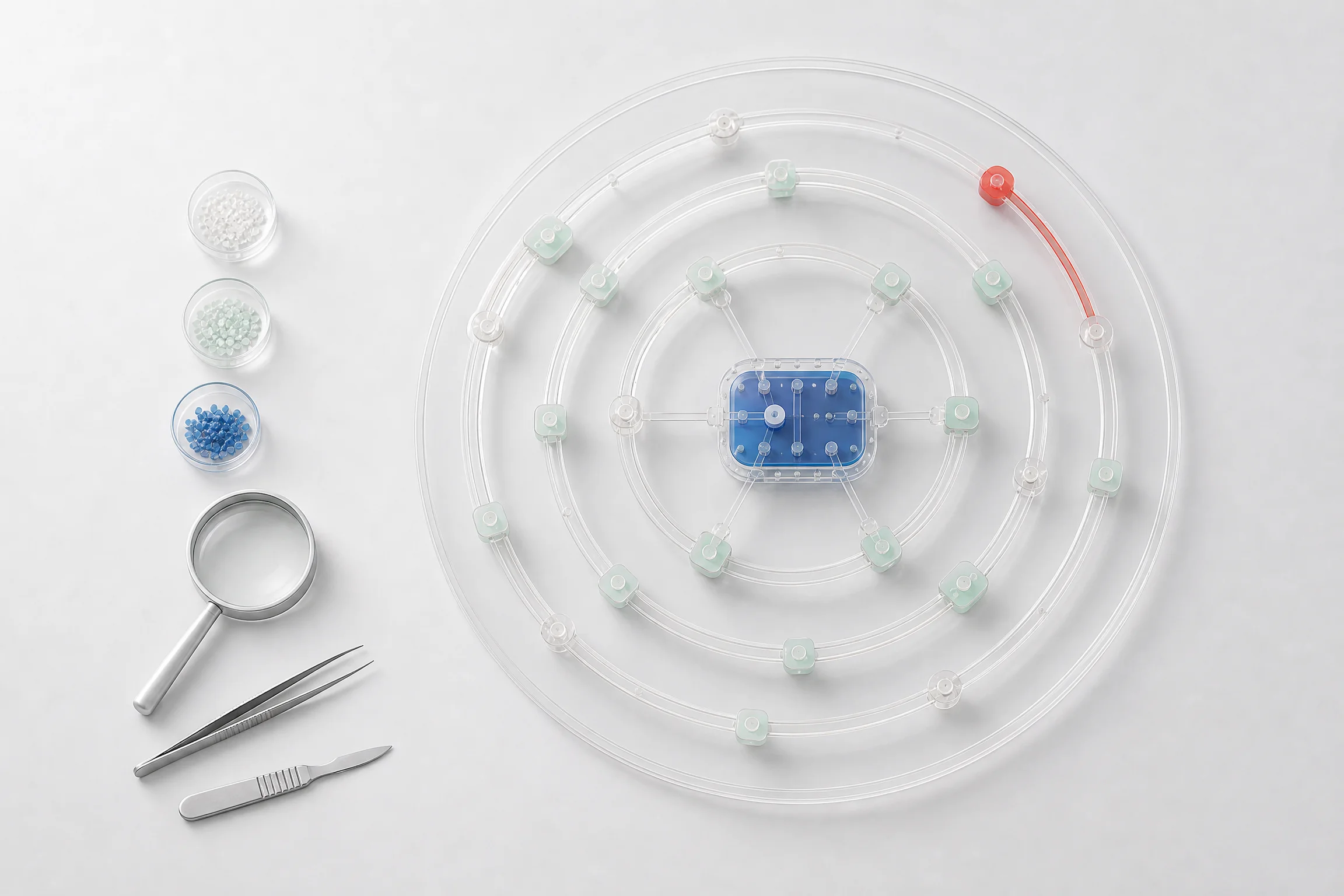
Choose the evidence you can currently produce. The rubric shows what a reviewer would ask for next.
Your reviewer checks whether another engineer can reproduce the path and distinguish observed behaviour from assumptions.
Feedback format: one written review, one live defence and one revision window.
Limit: completion records assessed work; it does not guarantee employment or promotion.
Tell us your role, current architecture and the decision you want to practise. We reply with a suggested starting module and current cohort options.
[email protected]